-
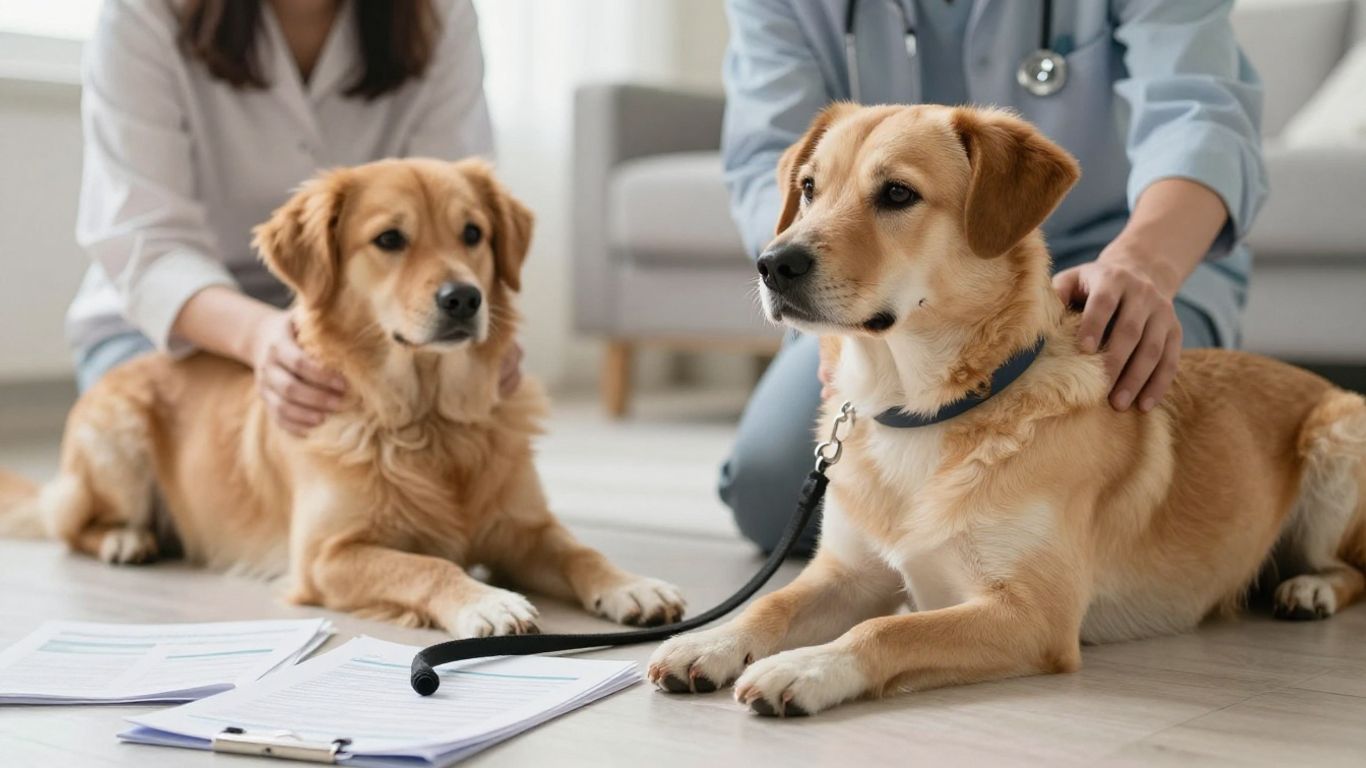 Continue reading →: What is causing cancer in dogs? Common risk factors, causes, and what owners can do
Key Takeaways Cancer in dogs usually develops through a combination of inherited traits, aging, biology, and environmental influences rather than one identifiable cause. Older age is one of the clearest broad risk factors for canine cancer. Some breeds inherit a higher likelihood of particular cancer types. Sun exposure, smoke, chemicals,…
-
 Continue reading →: Canine nasal cancer: Symptoms, diagnosis, treatment, and what to expect
Key Takeaways Canine nasal cancer can look like a stubborn infection or allergy at first, so persistent changes deserve a veterinary examination. Diagnosis usually depends on imaging and tissue sampling, while treatment is chosen around tumor location, spread, and the dog’s comfort. Ongoing discharge, sneezing, nosebleeds, or facial changes should…
-
 Continue reading →: Canine skin cancer photos: How to recognize warning signs and know when to see a vet
Key Takeaways A photograph can help you notice change, but it cannot tell you what a growth is. Track suspicious spots, consider your dog’s skin and sun exposure, and arrange a veterinary examination when a lesion is new, changing, painful, or slow to heal. New or changing lumps deserve a…
-
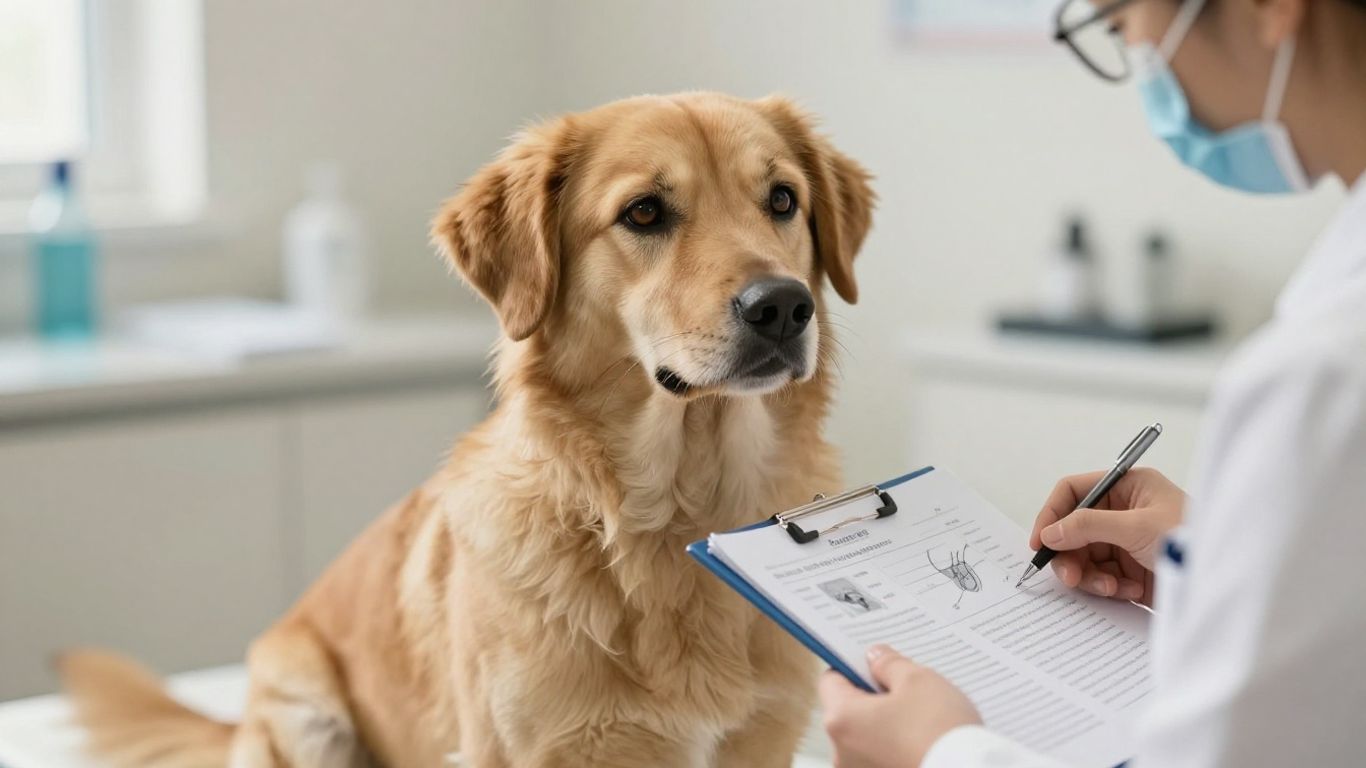 Continue reading →: Types of dog cancer pictures: a visual guide to common tumors, warning signs, and next steps
Key Takeaways Pictures can help you notice and document a change, but they cannot diagnose cancer. Many harmless growths resemble malignant tumors, while some serious cancers develop inside the body and leave little visible evidence. A veterinarian should assess any new, changing, bleeding, painful, or persistent abnormality. A photo shows…
-
 Continue reading →: Cancer in dog symptoms: Signs, causes, and when to call a vet
Key Takeaways Cancer in dogs can show up as a new lump, ongoing digestive trouble, breathing changes, pain, or a quieter shift in behavior. These signs have many possible causes, so timely veterinary advice matters more than trying to diagnose your dog at home. Watch for changes that persist, worsen,…
-
 Continue reading →: Cancer lump on dog: how to recognize warning signs and what to do next
Key Takeaways A new lump can be unsettling, but its appearance cannot tell you reliably whether it is cancerous. A veterinary examination, and often a cell or tissue sample, is needed for an answer. Arrange a veterinary check for any new, changing, or persistent lump. Watch for rapid growth, bleeding,…
-
 Continue reading →: Cost of dog cancer treatment: What to expect and how to plan for veterinary care
Key Takeaways The cost of dog cancer treatment can vary widely because diagnosis, staging, treatment choice, and ongoing care all affect the final bill. Ask for a written estimate that separates one-time and recurring costs. Confirm what each test is intended to show before approving it. Discuss treatment goals in…
-
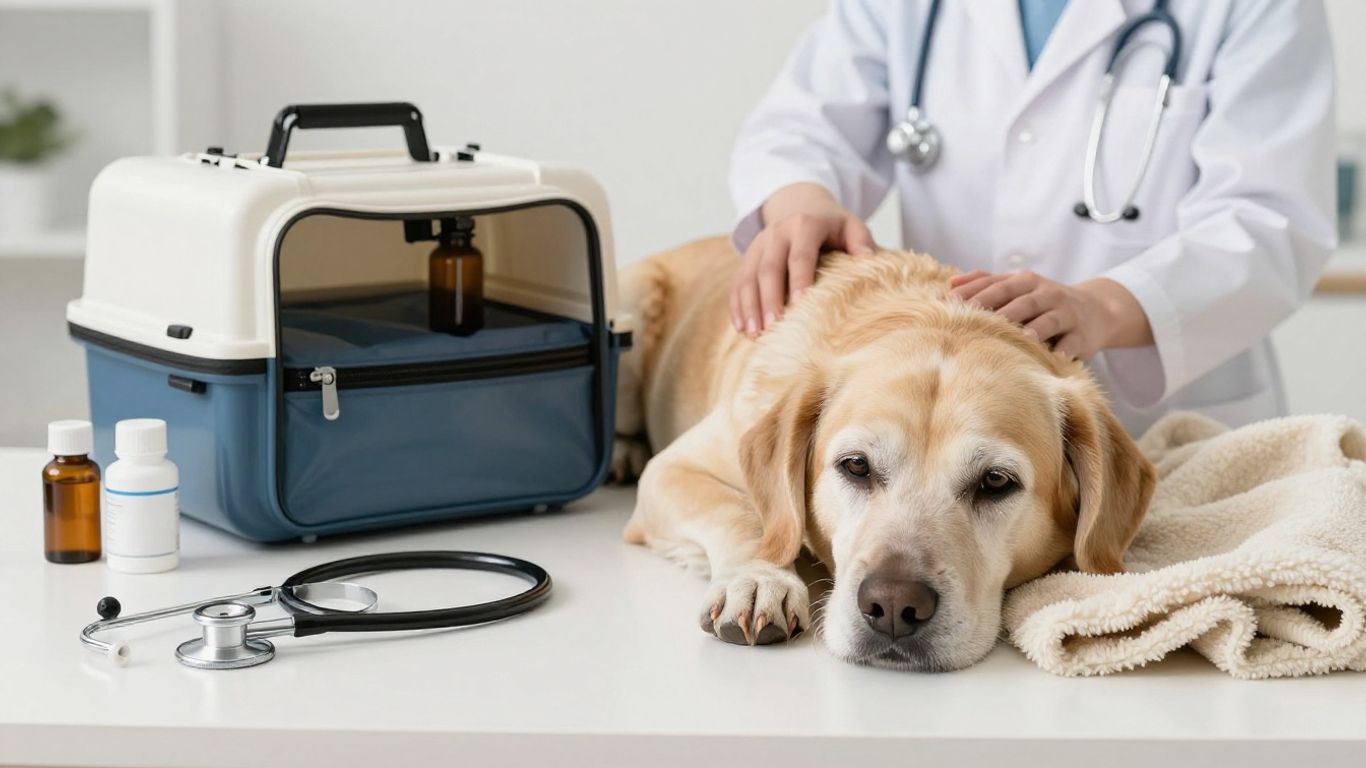 Continue reading →: Dog cancer medication: A practical guide to treatment options, safety, and costs
Key Takeaways Dog cancer medication is one part of a treatment plan shaped by the cancer diagnosis, the dog’s health, and the family’s goals. Medication may be used alone, alongside surgery or radiation, or mainly to control symptoms. Chemotherapy, targeted drugs, immunotherapy, steroids, and supportive medicines serve different purposes. Bloodwork,…
-
 Continue reading →: Dog with cancer: A practical guide to diagnosis, treatment, and compassionate care
Key Takeaways A cancer diagnosis can feel overwhelming, but careful information gathering and steady observation can make the next steps clearer. Ask your veterinarian what type of cancer is present and how certain the diagnosis is. Use staging, prognosis, treatment goals, side effects, and cost to guide decisions. Focus at…
-
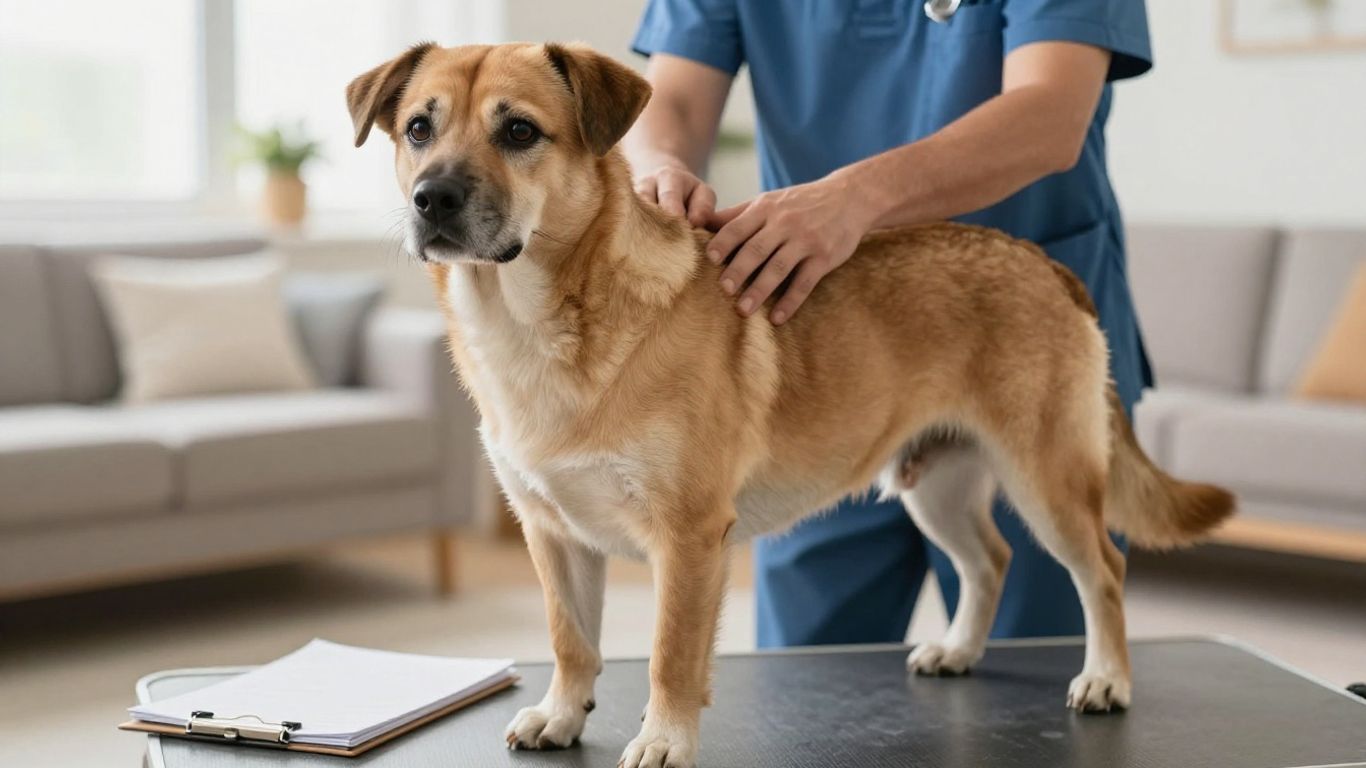 Continue reading →: Dog cancer lumps: How to recognize warning signs and what to do next
Key Takeaways A new lump can be unsettling, but its appearance cannot tell you whether it is cancer. Careful observation and a timely veterinary examination are the safest next steps. Not every lump on a dog is cancerous. Fast growth, bleeding, ulceration, pain, or whole-body changes deserve prompt attention. Measure…
About Us

We’re a USA-based education resource dedicated to helping dog owners, breeders, and veterinary professionals recognize, prevent, and detect canine cancer earlier — when treatment options are widest and outcomes are best. Our content is grounded in current veterinary research, written in plain language, and reviewed for accuracy by people who care about getting it right.
Whether you’re a first-time puppy parent worrying about a new lump, a breeder committed to the long-term health of your line, or a veterinarian looking for client-friendly education tools, you’ll find practical, science-backed guidance here — without the jargon and without the panic.
Because the best chance your dog has against cancer is finding it early. We’re here to help you do exactly that.
Let’s connect
Join the fun!
Stay updated with our latest tutorials and ideas by joining our newsletter.